The Real Difference Between Veneers and Crowns
Veneers and crowns can both improve the way a tooth looks, but they solve very different problems. One mainly changes the visible surface. The other rebuilds and protects much more of the tooth. For someone considering cosmetic dentistry, understanding that difference can prevent choosing a treatment based on appearance alone.
Veneers Mainly Change the Visible Front Surface of a Tooth
A veneer is a thin restoration placed over the front of a tooth. Dentists commonly use veneers to change color, shape, length, or minor alignment issues that show when someone smiles. Because the restoration focuses on the visible surface, much of the natural tooth can often remain untouched.
That makes veneers different from treatments designed to reinforce an entire tooth. They are usually considered when the underlying structure is reasonably healthy and the main concern is cosmetic. Small chips, uneven edges, stubborn discoloration, or gaps may all be situations where a dentist discusses this option after examining the teeth.
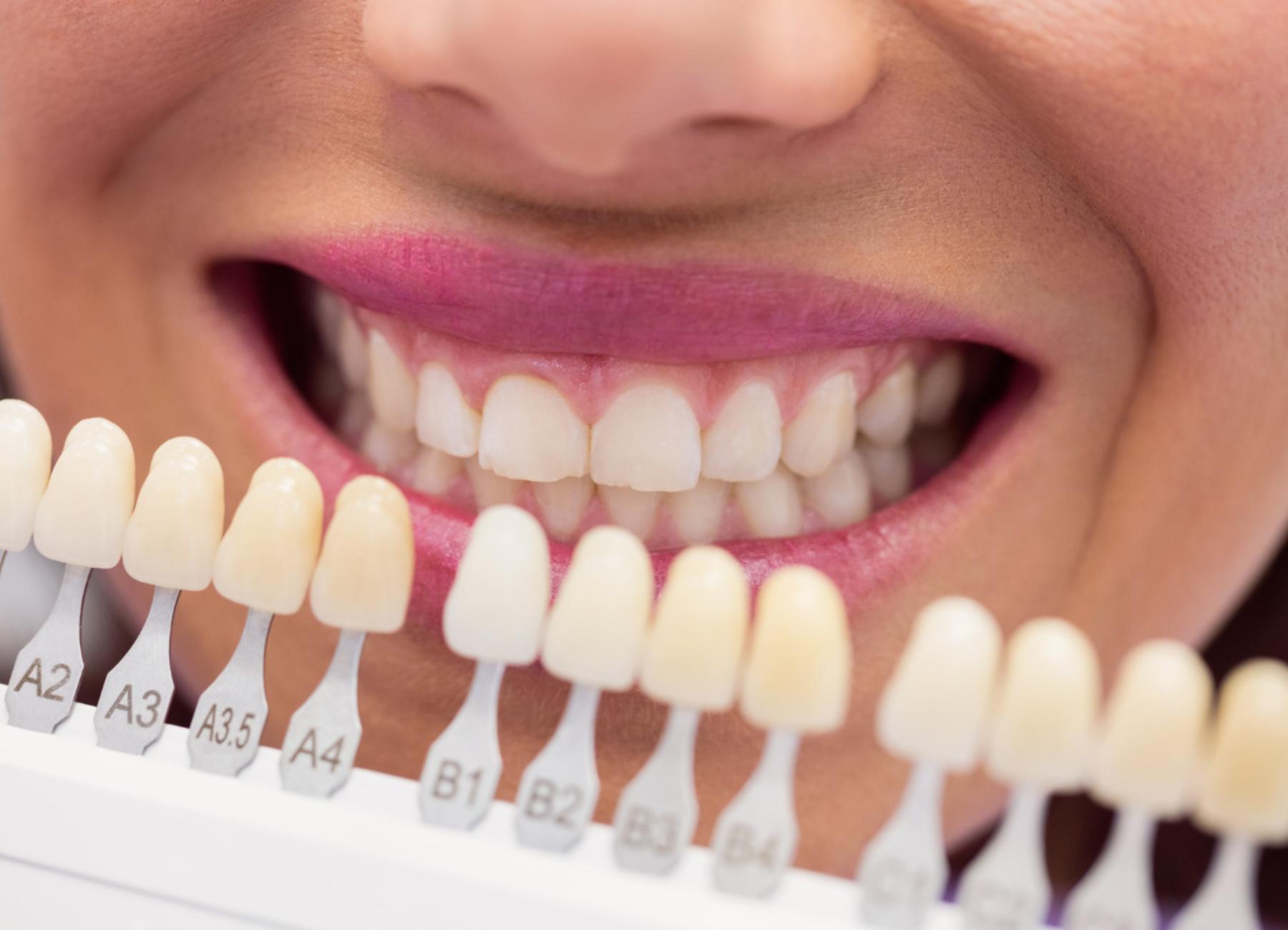
Crowns Cover More Tooth Structure for Added Strength
A crown surrounds much more of the tooth and acts like a protective outer shell. Instead of covering only the front, it restores the sides and biting surface as well. This broader coverage can help a weakened tooth handle normal chewing forces while also improving its appearance.
The extra coverage matters when a tooth has lost a meaningful amount of structure. A crown can rebuild shape, restore function, and protect what remains underneath. Although it can create a cosmetic improvement, its purpose often goes beyond making the smile look better.
Veneers Suit Cosmetic Changes When Teeth Are Still Healthy
Someone who dislikes the shape or color of otherwise healthy teeth may not need full coverage restorations. Veneers can make noticeable changes to a smile while focusing treatment on the areas that actually need cosmetic improvement.
However, healthy enamel and a stable bite still matter. A veneer is not meant to hide serious decay, a major fracture, or a tooth that lacks enough strength to function normally. A dental examination helps separate a straightforward appearance concern from a structural issue that requires a different approach.
Crowns Restore Teeth Weakened by Damage or Large Fillings
Teeth with large fillings, cracks, significant wear, or previous damage may need more support than a veneer provides. When much of the original structure is compromised, covering the tooth can help distribute biting pressure across a larger area.
Crowns are also commonly discussed after certain restorative treatments or when an old filling leaves very little strong tooth behind. The goal is not simply to make the tooth look new. The restoration needs to protect the remaining structure while allowing the person to bite and chew comfortably.
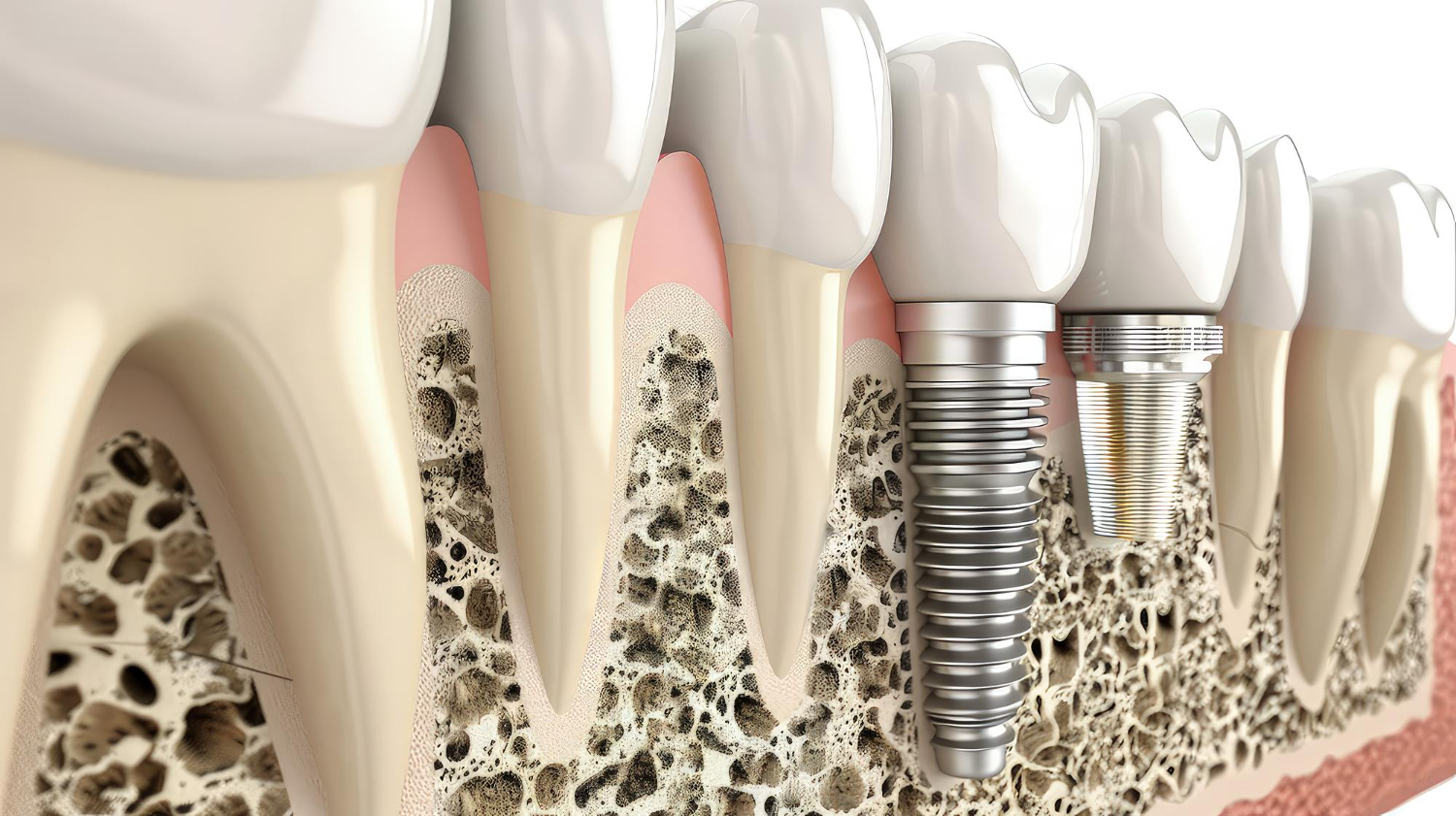
Tooth Reduction Is Usually Greater With a Full Crown
Both treatments may require some tooth preparation, but the amount is not usually the same. A veneer generally involves the front surface and may require relatively limited reshaping depending on the case, material, tooth position, and treatment plan.
A full crown normally requires preparation around several surfaces so the restoration has enough room to fit correctly. That makes the decision more significant because more natural tooth structure may be involved. A dentist should explain how much preparation is expected before treatment begins rather than treating every smile concern the same way.
Bite Forces and Existing Damage Can Change the Best Option
The way a person bites can influence how well a restoration holds up. Teeth exposed to heavy pressure from grinding, clenching, or an uneven bite may need a different treatment plan than teeth with lighter forces. Location matters too, since back teeth usually handle much more chewing pressure than the front teeth.
Existing cracks, old dental work, enamel thickness, and missing tooth structure also affect the decision. Two teeth can look almost identical from the front but have very different needs underneath. That is why photographs alone cannot determine whether a veneer or crown makes more sense.
Long-Term Tooth Health Matters More Than Appearance Alone
A brighter, more even smile is often the reason people first ask about cosmetic treatment, but appearance should not be the only goal. A restoration also needs to work with the tooth, gums, surrounding teeth, and bite. Choosing the least appropriate treatment simply because it looks attractive can create problems later.
Good planning considers what will preserve healthy structure while addressing the actual reason for treatment. Sometimes that means a veneer. In other cases, a crown provides the support the tooth needs. There may also be situations where neither option is the right first step, which is why a full dental evaluation matters before making a final decision.
Build the Smile You Want Without Overlooking Tooth Health With Lumina Dental
Choosing between veneers and crowns starts with understanding what you want to change and what your teeth actually need. Lumina Dental can evaluate the condition of each tooth, discuss cosmetic goals, review bite concerns, and explain which treatment options fit the situation. The aim is to improve appearance without ignoring strength, function, or healthy natural structure.
Whether you want to address discoloration, chips, uneven teeth, older dental work, or a tooth that needs more complete restoration, the right plan should be built around more than the final look. Contact us at Lumina Dental to schedule an evaluation and learn which options may be appropriate for your smile and long-term dental health.
FAQs:
Can Lumina Dental Help Me Decide Between Veneers and Crowns?
Yes. Lumina Dental can evaluate the condition of your teeth, existing dental work, bite, and cosmetic goals before recommending a treatment. The right choice depends on whether the concern is mainly appearance or if the tooth also needs added strength and protection.
Does Lumina Dental Offer Cosmetic Dentistry for Chipped or Discolored Teeth?
Lumina Dental can discuss cosmetic options for teeth affected by chips, discoloration, uneven shape, or other visible concerns. Treatment may include veneers or another approach depending on the amount of healthy tooth structure and the result you want to achieve.
Can Lumina Dental Use Crowns to Restore Damaged Teeth?
Yes. Crowns may be considered when a tooth has been weakened by a large filling, fracture, wear, or other structural damage. Lumina Dental can examine the tooth and determine whether full coverage would provide the support needed for normal function.
How Does Lumina Dental Determine if a Tooth Is Healthy Enough for a Veneer?
The dentist will look at the enamel, tooth structure, gums, bite, and any existing damage before recommending a veneer. Teeth with significant decay, cracks, or structural weakness may need restorative treatment instead of a cosmetic covering.
Can Lumina Dental Improve My Smile Without Removing More Tooth Structure Than Necessary?
Treatment planning should consider how much healthy natural tooth can be preserved while still reaching the desired result. Lumina Dental can review conservative cosmetic and restorative options and explain how much tooth preparation may be required before treatment begins.