
Why Professional Teeth Whitening Lasts Longer Than At-Home Kits
You followed the directions, wore the strips, skipped coffee for a few days—and your teeth still look almost the same. Drugstore products can lighten natural teeth, but their lower-strength formulas and one-size-fits-most design have limits. Professional care takes a more controlled approach, especially when stains are deeper, uneven, or simply refusing to budge.
Stronger Whitening Agents Reach Stains Strips Often Leave Behind
Store-bought strips usually contain a lower concentration of bleaching ingredients than products used or prescribed by dentists. That can be enough for mild discoloration, but tougher staining may need a different approach. Professional whitening uses carefully selected peroxide-based products that can change tooth colour beyond what surface cleaning alone can accomplish.
More strength does not mean simply piling on extra gel. The dentist controls where the product goes, how long it stays there, and how your teeth respond. That matters because sensitivity can increase with bleaching treatments. The goal is not to make treatment as aggressive as possible; it is to get a noticeable result without treating your teeth carelessly.
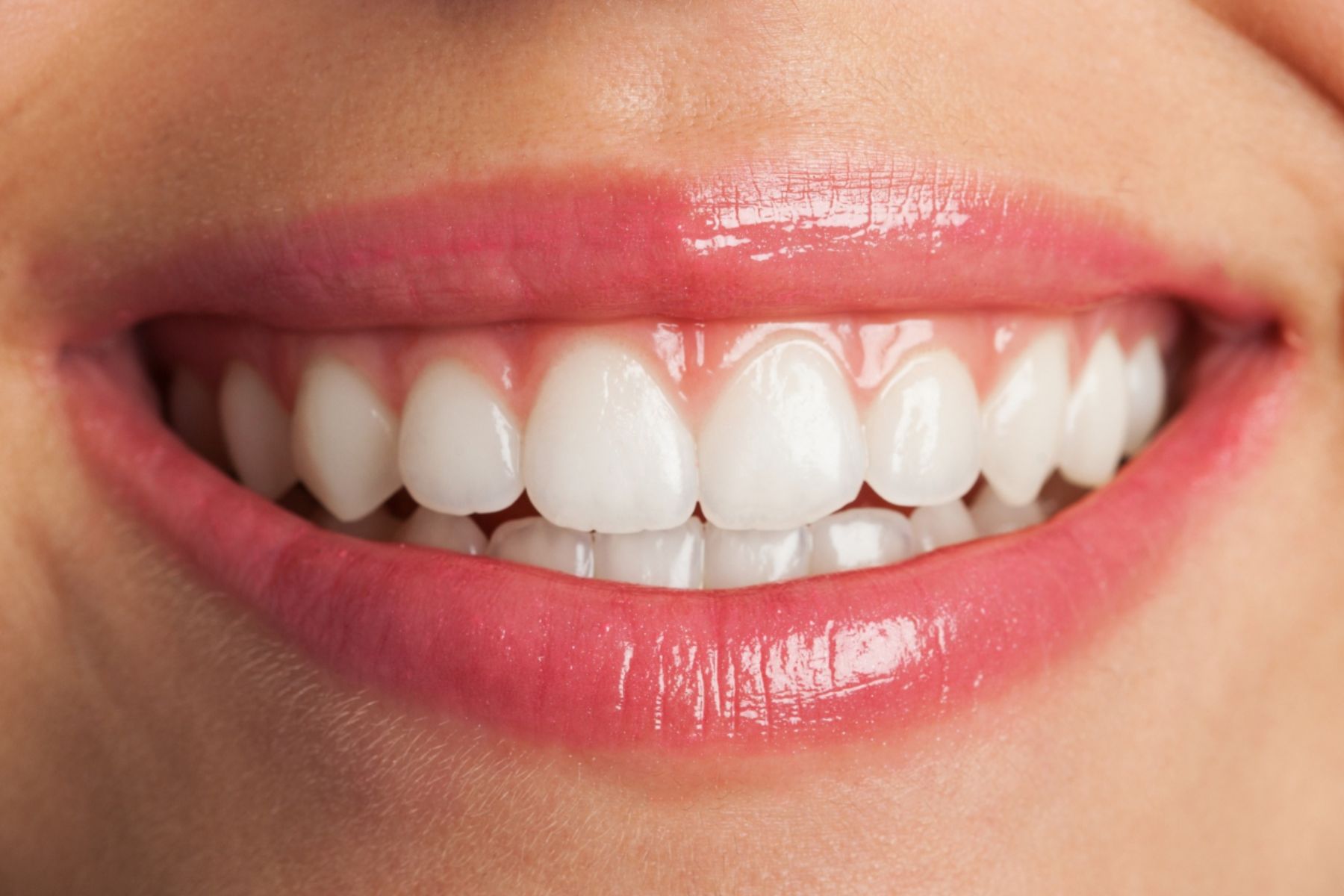
Custom Application Gives Every Tooth More Even Whitening
Whitening strips are flat. Teeth are not. They curve, overlap, sit at slightly different angles, and leave narrow spaces that a flexible strip may not contact evenly. This is one reason people sometimes finish a box and notice brighter front surfaces but darker areas along the edges or near neighbouring teeth.
Professional application gives the dentist much better control over coverage. If a take-home tray is part of the treatment, a custom-fitted tray can hold the bleaching gel more closely against the teeth than a generic tray. Better fit also reduces the chance of excess product leaking onto the gums.
Professional Treatment Targets Deeper, Stubborn Discoloration
Not every stain sits on top of the enamel. Coffee, tea, red wine, tobacco, aging, and other factors can affect tooth colour in different ways. Dentists generally separate discoloration into surface stains and stains within the tooth structure, because those two problems do not always respond to the same treatment.
That distinction matters when strips keep disappointing you. Repeating the same product will not necessarily solve a stain it was poorly suited to address. A dental assessment can identify what type of discoloration you actually have and whether bleaching is likely to help. Crowns, fillings, veneers, and other tooth-coloured restorations do not whiten like natural enamel, another detail worth knowing before treatment.
Dentist-Guided Care Avoids the Patchy Look Strips Can Leave
Patchiness is not always caused by a bad product. Sometimes the strip simply does not sit against every tooth the same way. Crooked teeth, spacing, different tooth shapes, existing dental work, and uneven staining can all make a home treatment look less consistent than expected.
A dentist can see those differences before treatment starts. Instead of assuming every tooth needs the same thing, the approach can account for your smile as it actually looks. That also helps set realistic expectations. Some teeth may brighten quickly, while others respond more slowly or have discoloration that bleaching cannot completely change.
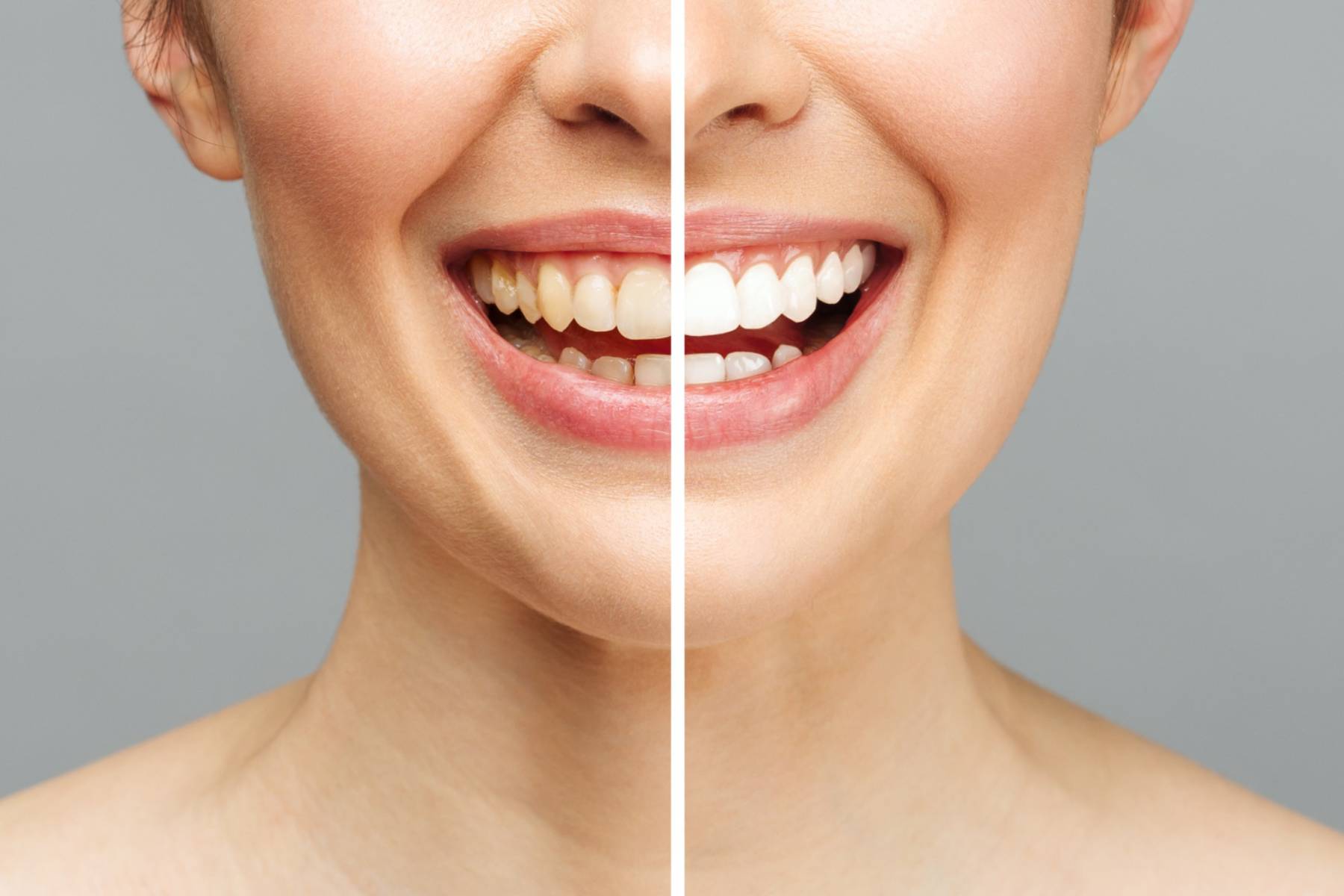
Better Stain Removal Means Results Stay Noticeable for Longer
No teeth whitening treatment is permanent. Your smile naturally picks up new colour over time, particularly if coffee, tea, red wine, tobacco, or other staining habits are part of your routine. The Canadian Dental Association notes that bleaching eventually needs repeating for people who want to maintain the effect.
Where professional care can make a practical difference is the starting point. A more noticeable and even change gives you more room before fresh staining becomes obvious again. That does not guarantee a fixed number of months or years. Your diet, oral hygiene, tobacco use, starting shade, and touch-up habits all affect how long the result continues to look bright.
Fewer Missed Spots Around Edges and Between Visible Teeth
Anyone who has wrestled with a slippery strip knows the problem: it folds in one place, lifts in another, and never seems to reach exactly where you want it. Areas near the gumline and along curved tooth edges can end up looking different from the centre of the smile.
Controlled application makes those small areas easier to manage. It also keeps the focus on natural tooth structure rather than blindly covering everything visible. This matters when fillings or crowns sit near the front teeth, since bleaching products will not change their shade. Knowing that beforehand can prevent a result that looks mismatched after the surrounding enamel becomes lighter.
Aftercare Advice Helps Slow Down New Stains After Treatment
The treatment itself is only half the story. If you return immediately to frequent staining drinks, tobacco, and inconsistent brushing, new discoloration can show sooner. Keeping teeth clean and staying on top of regular dental care can help protect the appearance you just paid to achieve.
A dentist can also give aftercare advice based on your habits instead of handing you generic instructions from the back of a box. That may include discussing stain-causing foods and drinks, oral hygiene, sensitivity, and when a touch-up makes sense. It also helps prevent the temptation to keep applying bleaching products too often when the colour starts to change again.
Leave the Drugstore Strip Cycle Behind With Professional Whitening at Lumina Dental
If you have already gone through several boxes of whitening strips and still keep checking your smile under different lights, another pack may not fix what is bothering you. The reason can be more complicated than the product itself. Stain type, tooth shape, existing dental work, sensitivity, and your natural starting shade can all affect how much change you see. Some teeth also respond faster than others, which can leave the overall result looking uneven. A dental assessment can help figure out what is actually causing the discoloration before you spend more time trying different kits.
Lumina Dental can help you understand why your current routine is falling short and whether professional whitening is a good fit for your smile. Instead of guessing, you can get guidance based on your teeth, your comfort level, and the kind of result you want. The goal is a brighter, more balanced look without the cycle of buying products that never quite deliver. You will also have a clearer idea of what results are realistic before treatment begins. Contact us to discuss your whitening options and find an approach that works for your smile.