The Real Difference Between Dental Implants and Dentures
Losing teeth changes more than a smile. It can affect meals, speech, confidence, and the way your mouth feels every day. For adults looking at long-term replacement options, dental implants and dentures can both restore missing teeth, but they work in very different ways. Understanding those differences makes the decision much easier to discuss with your dentist.
How Implants and Dentures Feel Different Day to Day
Dental implants are designed to function more like teeth that stay in place. Once the treatment area has healed and the final restoration is attached, there is no plate to remove at night or adhesive to apply in the morning. Many people appreciate not having to think much about their replacement teeth during normal daily activities.
Dentures feel different because they rest on the gums and may be removed for cleaning. A well-fitted set can become comfortable with practice, but there is usually an adjustment period. Your cheeks, tongue, and gums need time to get used to the appliance, especially if you are replacing several teeth or an entire arch.
Why Implants Stay Put While Dentures Can Be Removable
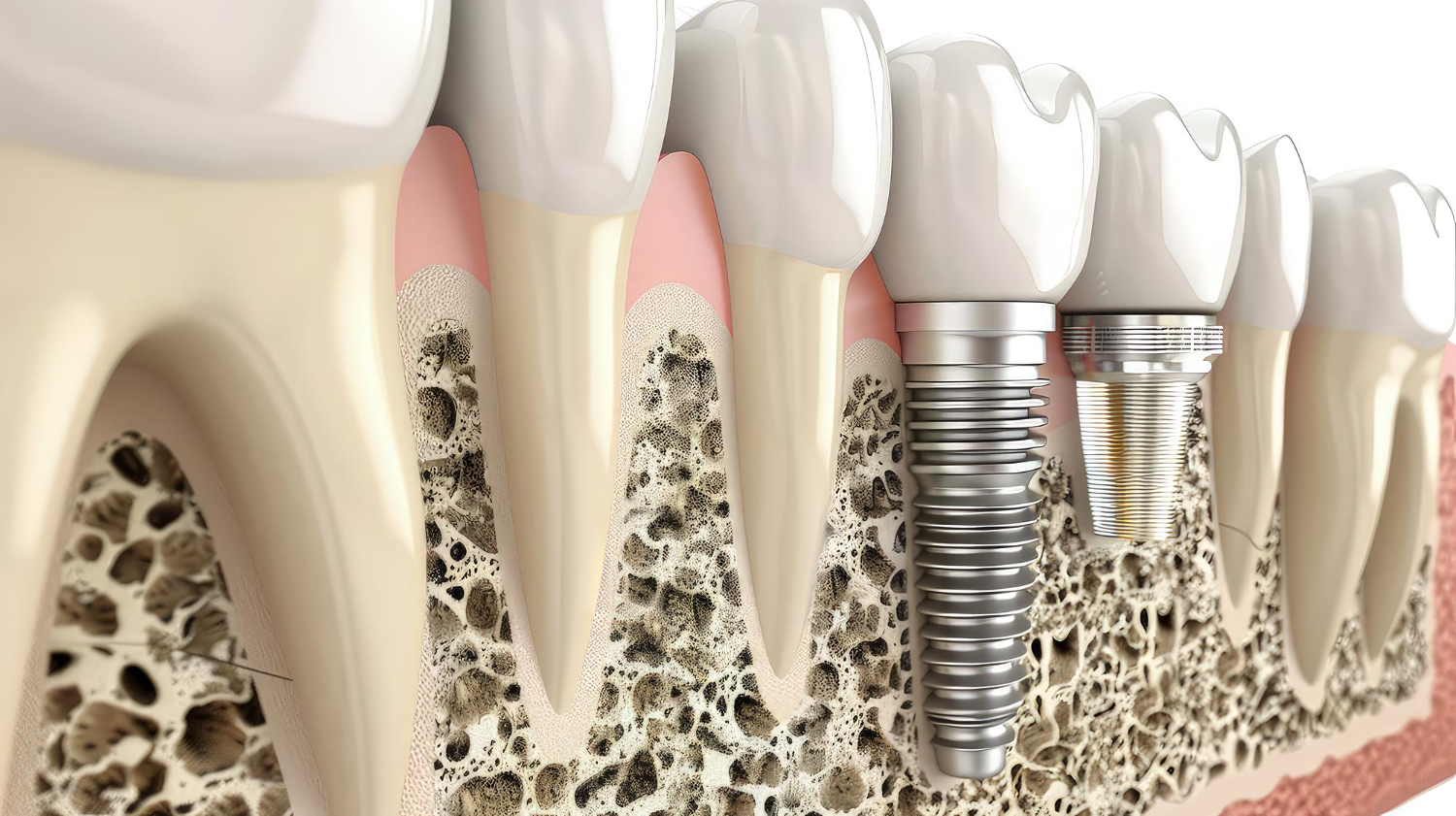
An implant uses a small post placed in the jaw to support a replacement tooth or restoration. During healing, the surrounding bone bonds with that post and creates a firm foundation. This connection is what gives an implant its stability rather than relying on the gums alone for support.
Traditional dentures take a different approach. They sit over the gum tissue and can be taken out when needed. Full upper dentures may gain some stability through suction, while lower ones can be more prone to movement because there is less surface area available. Implant-supported options can also be used when someone wants greater denture stability.
How Each Option Changes the Way You Eat and Speak
Eating with dental implants often feels closer to eating with natural teeth because the restoration has a stable base. You still need to protect your dental work and follow your dentist’s advice, but there is generally less concern about a removable appliance shifting when you chew.
Dentures may require more practice, particularly during the first few weeks. Softer foods and smaller bites can make the adjustment easier. Speech may also feel unusual at first because the tongue is suddenly working around something new. Most people learn to adapt as they become more familiar with how their appliance sits and moves.
Why Jawbone Health Matters When Choosing Implants
Tooth roots do more than hold teeth in place. They also transmit forces into the jaw when you bite and chew. Once a tooth is gone, the surrounding bone no longer receives the same stimulation and can gradually change over time. Implant treatment can help transfer chewing forces back into the bone around the implant site.
Bone condition also affects whether someone can receive an implant. A dentist may examine bone height, width, gum health, and other factors before recommending treatment. Some patients have enough support right away, while others may require additional procedures before placement. Dentures do not require a post in the jaw, so the planning process is different.
How Cleaning and Daily Care Differ Between the Two
Implants still need consistent oral hygiene. Plaque can build up around the gumline just as it does around natural teeth, so brushing and cleaning between teeth remain important. Regular dental visits also allow the dentist to check the restoration and the tissues supporting it.
Removable dentures need to be cleaned outside the mouth as well as around the gums and any remaining teeth. Food and plaque can collect underneath the appliance, so simply brushing the visible surface is not enough. Your dentist can explain which cleaners and techniques are appropriate because some regular toothpastes may be too abrasive for certain denture materials.
What to Know About Treatment Time and Long-Term Upkeep
Implant treatment usually takes longer at the beginning. The post must be placed, the area needs time to heal, and the final restoration may come later. Healing schedules vary because every mouth is different. Bone condition, the number of teeth being replaced, and the treatment plan can all affect how many appointments are involved.
Dentures can often be completed without the same surgical healing period, although several visits may still be needed for impressions, measurements, fitting, and adjustments. They also require attention over the years. Gum and bone contours can change, which may alter the fit and lead to relining, adjustment, repair, or eventual replacement.
Which Option May Fit Your Tooth Loss Needs Better
There is no single answer that works for every adult with missing teeth. Someone replacing one tooth may have completely different priorities from a person who has lost most of their teeth. Overall health, oral health, bone condition, budget, comfort preferences, and willingness to undergo a longer treatment process can all shape the decision.
It also does not always have to be a strict choice between implants and traditional dentures. Some treatment plans combine the two approaches by using implants to support a removable or fixed restoration. A dental examination can show which possibilities actually suit your mouth instead of forcing you to choose based only on price or general information online.

Compare Tooth Replacement Options With Your Long-Term Comfort in Mind with Lumina Dental
Choosing how to replace missing teeth is a personal decision, especially when the result may be part of your daily life for years. The right option should make sense for your oral health, eating habits, comfort, maintenance preferences, and expectations. Lumina Dental can help you understand how different approaches may fit your situation after examining your teeth, gums, and supporting structures.
You do not need to make the decision based on guesswork or someone else’s experience. A professional assessment can clarify what is realistic for your mouth and what each treatment may involve from start to finish. If you are considering dental implants, dentures, or another way to replace missing teeth, contact us at Lumina Dental to discuss your options and plan your next step.
Frequently Asked Questions
Does Lumina Dental offer both dental implants and dentures?
Yes. Lumina Dental can help patients explore different tooth replacement options based on their oral health, the number of missing teeth, and their long-term goals. A dental assessment can help determine which option may be suitable.
Can Lumina Dental help me decide between implants and dentures?
Yes. Our team can look at factors such as jawbone health, gum condition, comfort, maintenance, treatment time, and budget. This gives you a clearer comparison based on your own needs rather than a general recommendation.
Does Lumina Dental offer implant-supported denture options?
Depending on your oral health and treatment needs, implant-supported restorations may be considered as an alternative to traditional removable dentures. These options use dental implants to provide added stability.
When should I contact Lumina Dental about replacing missing teeth?
It is a good idea to schedule a consultation when missing teeth begin affecting chewing, speech, comfort, or confidence. Contacting Lumina Dental early can also help you understand your options before further changes occur in the surrounding teeth or jawbone.