Invisalign vs. Braces: Which One Actually Fits Your Lifestyle?
Choosing how to straighten teeth is not just about results—it’s about how that choice fits into real life. Work schedules, eating habits, and daily routines all play a role in whether a treatment feels easy or frustrating. Invisalign and braces both get the job done, but they do it in very different ways.
What Invisalign Demands from Your Daily Routine vs Braces
Invisalign requires active participation every single day. Aligners need to stay in for most of the day, and that means remembering to wear them after meals, cleaning them often, and keeping track of where they are. Someone who forgets things easily or has a fast-paced routine may find this harder than expected. Braces, on the other hand, stay in place and do not rely on daily decisions. Once they are installed, they continue working without constant reminders.
Daily life looks different with each option. Invisalign users need to plan around meals and drinks since aligners must come out before eating. That adds small steps to an already busy day. Braces simplify that part because they stay put, but they come with their own adjustments like cleaning around brackets. Both systems demand effort, but Invisalign shifts more responsibility to the person wearing them.
How Invisalign and Braces Change Eating Habits Day to Day
Eating feels more flexible with Invisalign, but it comes with a trade-off. Aligners must be removed before meals, which allows people to eat almost anything they want. That freedom appeals to many, especially those who enjoy crunchy or sticky foods. Still, that convenience also means brushing and rinsing more often before putting the aligners back in.
Braces bring more restrictions to the table. Certain foods can damage wires or brackets, so people often avoid hard or sticky items. Meals may take longer, and cleaning afterward becomes more detailed. Over time, many adjust their diet without thinking about it. Both options change eating habits, but Invisalign offers more food freedom while braces encourage long-term discipline.
Why Invisalign Appeals to Low Profile Lifestyles vs Braces
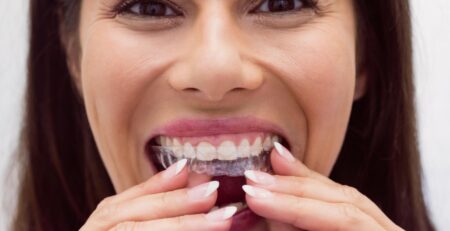
Appearance matters, especially in social or professional settings. Invisalign stands out because it is barely noticeable. Clear aligners allow people to smile and speak without drawing attention to their teeth. That makes it appealing for those who meet clients, speak in public, or simply prefer a subtle look.
Braces are more visible, and some people embrace that while others feel self-conscious. Metal brackets are noticeable, though newer options like ceramic braces reduce that effect. Still, they cannot match the discreet nature of Invisalign. Lifestyle plays a big role here, especially for those who value a low-profile appearance throughout treatment.
The Role of Consistency with Invisalign Compared to Braces
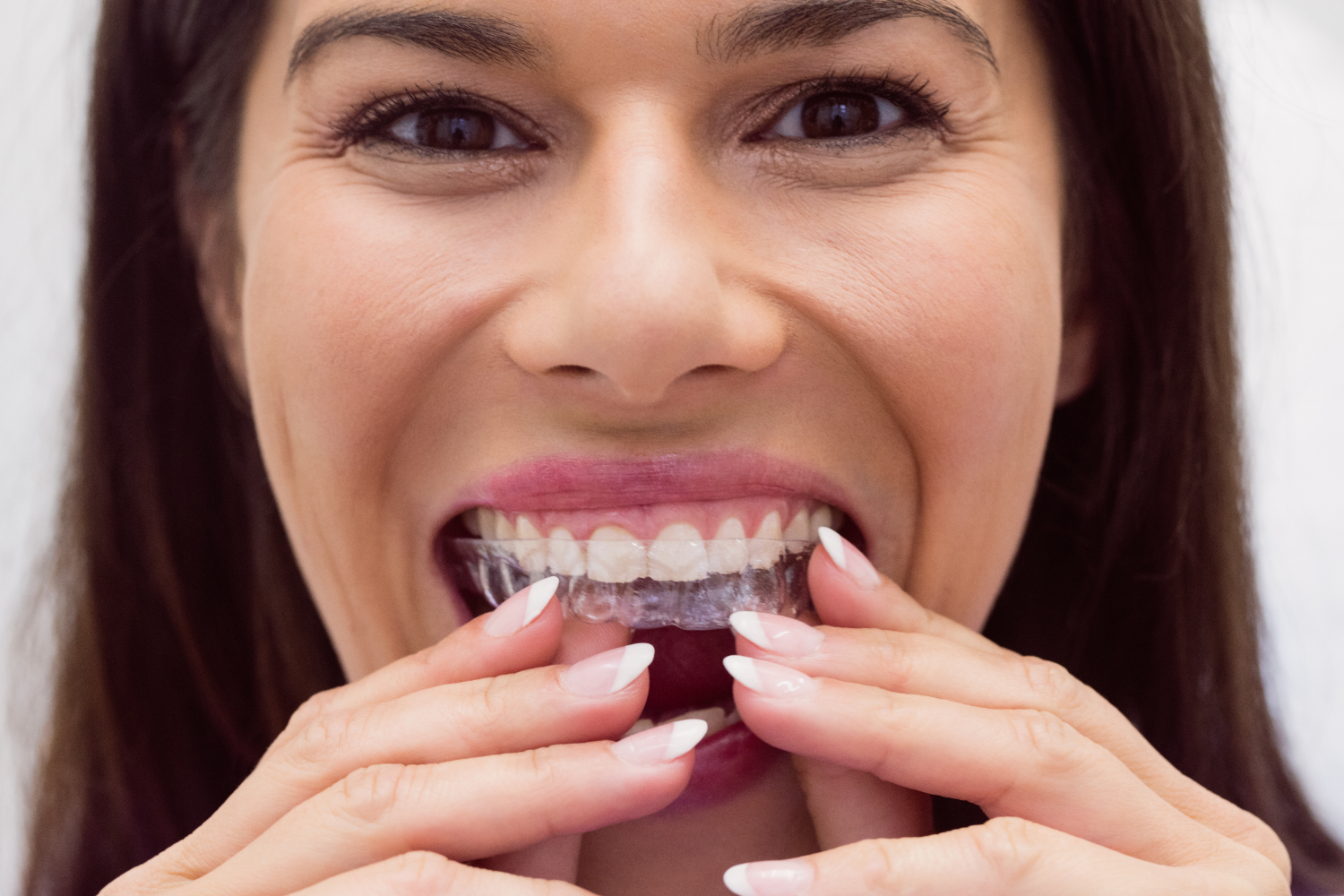
Consistency drives results with Invisalign. Aligners must stay in place for most of the day, and skipping hours can slow progress. This system works best for people who follow routines closely and stay disciplined. Missing wear time adds up quickly, which can delay results and require adjustments.
Braces remove that variable. They work around the clock without depending on daily choices. That makes them a strong option for people who prefer a set-it-and-forget-it approach. Consistency still matters in terms of care, but the treatment itself does not rely on constant attention. Invisalign rewards discipline, while braces provide steady progress without daily tracking.
How Invisalign and Braces Differ in Time and Commitment
Time commitment varies between these two options. Invisalign often requires regular check-ins and switching to new aligners every few weeks. That process keeps things moving but adds small tasks along the way. People who like structure may enjoy the clear timeline, while others may find it repetitive.
Braces follow a different rhythm. Adjustments happen less frequently, but they can feel more intense. Each visit may involve tightening or changes that take time to get used to. The overall timeline can be similar, but the experience feels different. Invisalign spreads out the effort, while braces concentrate it into fewer but more noticeable steps.
Understanding Comfort Differences Between Invisalign and Braces
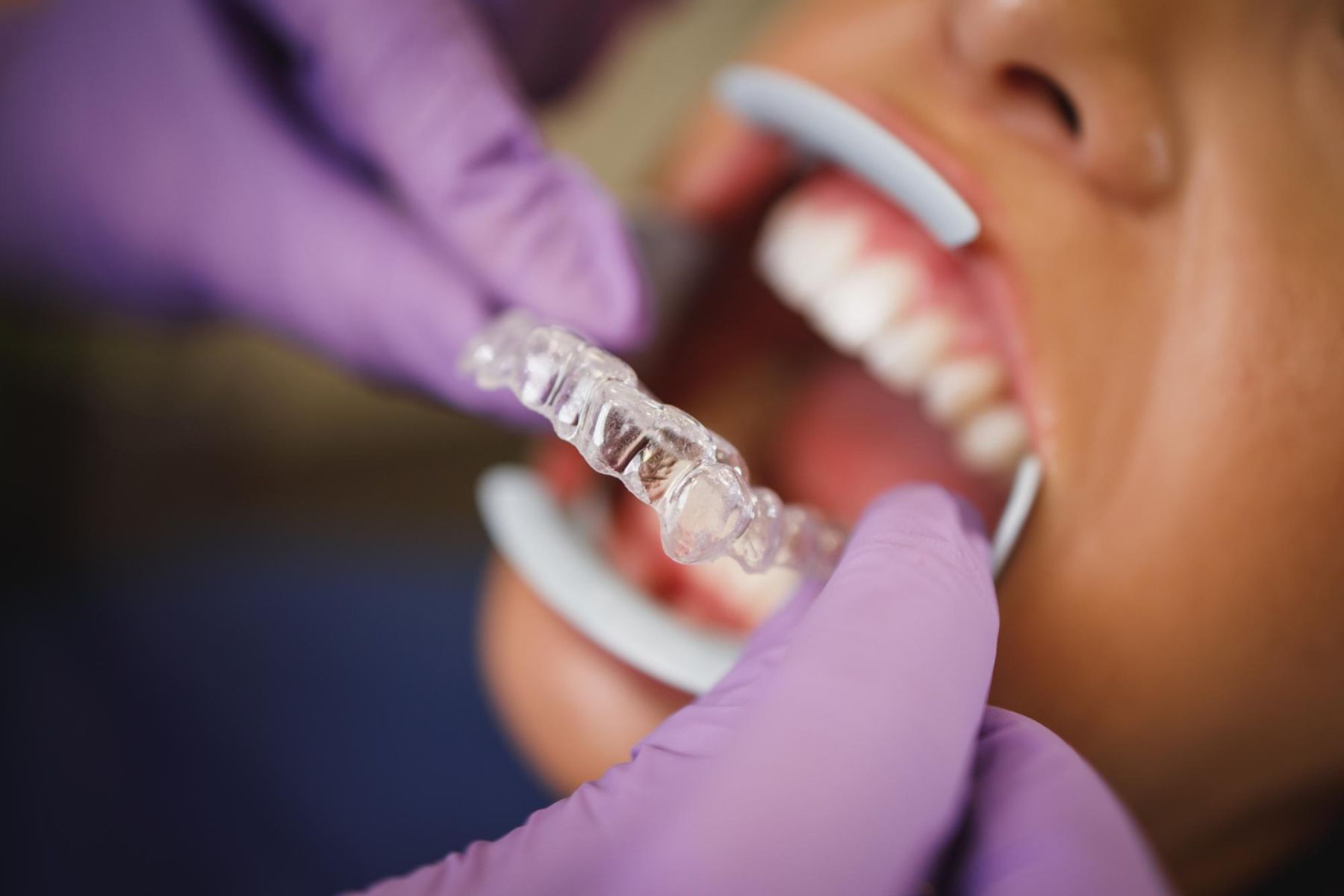
Comfort plays a big role in day-to-day satisfaction. Invisalign uses smooth plastic trays that fit over the teeth, reducing irritation to cheeks and gums. There may still be pressure when switching aligners, but it tends to feel more controlled and gradual.
Braces can cause discomfort, especially after adjustments. Wires and brackets may rub against the inside of the mouth, leading to soreness at times. Wax helps reduce irritation, but it takes some getting used to. Comfort levels depend on personal tolerance, but many find Invisalign easier to manage during daily activities.
Signs Invisalign Fits Better than Braces for Your Routine
Certain habits make Invisalign a better fit. People who already follow structured routines, stay organized, and do not mind extra steps during the day often succeed with aligners. A person who values flexibility in food choices and prefers a less noticeable option may also lean toward Invisalign.
Braces may be the better match for someone who wants a simpler routine without extra decisions. Younger patients or those with unpredictable schedules may benefit from a system that does not rely on consistent behavior. Recognizing these patterns helps narrow down which option fits naturally into everyday life.
The Impact of Care Habits with Invisalign and Braces
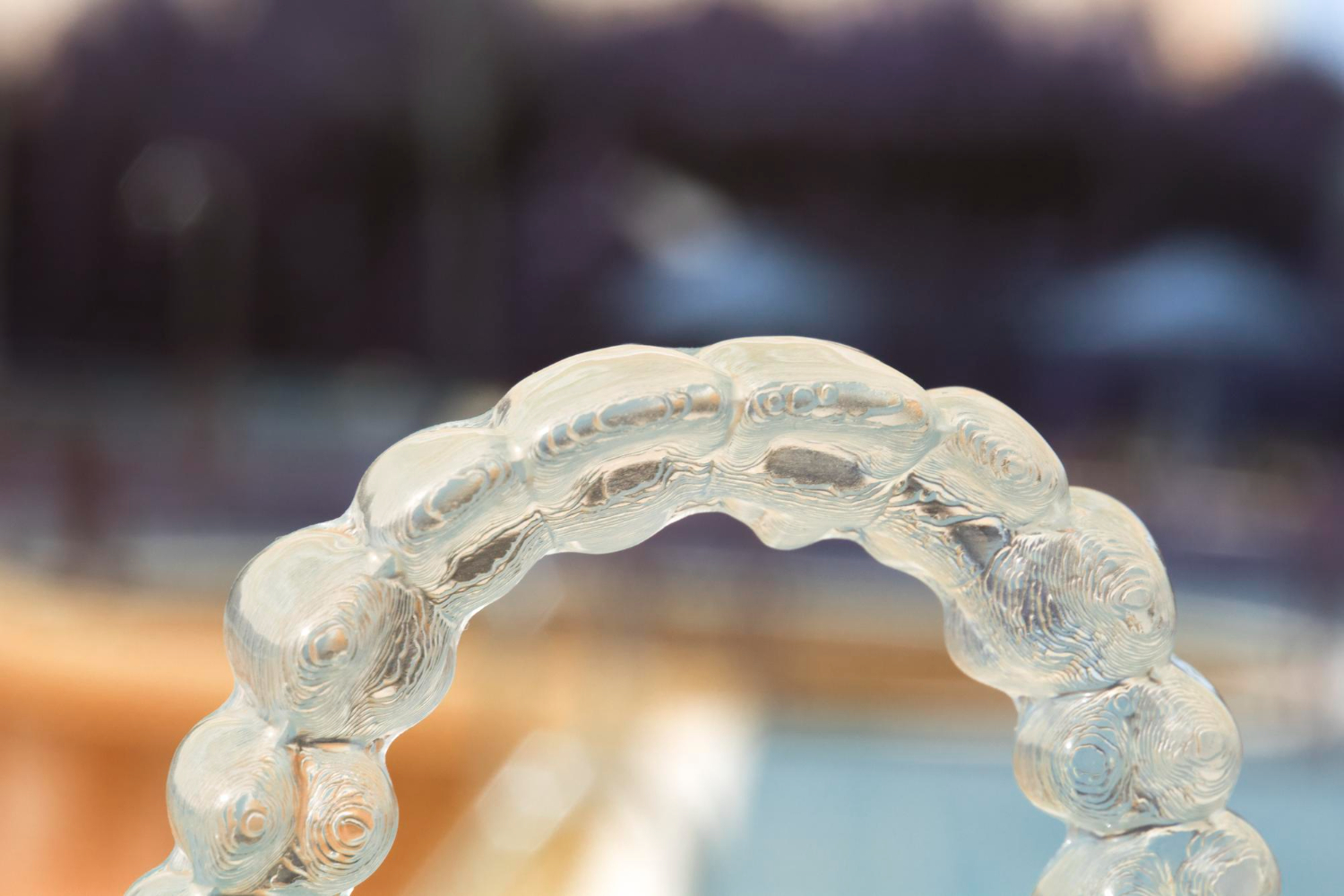
Care habits look different depending on the treatment. Invisalign requires cleaning the aligners regularly and brushing teeth before putting them back in. Skipping these steps can lead to buildup or odor. This routine encourages better hygiene but demands more effort throughout the day.
Braces require detailed cleaning around brackets and wires. Food particles can get stuck, so brushing and flossing take more time. Specialized tools like floss threaders or water flossers often help. Both options promote better oral care, but Invisalign focuses on consistency while braces require attention to detail.
Lumina Dental Helps You Choose the Right Smile Path That Matches Your Lifestyle and Daily Routine
Finding the right fit between Invisalign and braces comes down to how each option blends into real life. Lumina Dental works closely with patients to understand their routines, habits, and goals before recommending a treatment. Our team focuses on making the process clear, practical, and tailored to each person. That approach helps patients feel confident in their choice from the start.
Taking the next step becomes easier with the right guidance. Lumina Dental provides detailed evaluations and honest recommendations so patients know what to expect. Whether someone prefers the flexibility of Invisalign or the reliability of braces, our team is ready to help. Contact us today to schedule a consultation and find a solution that fits your lifestyle.