What to Look for Before Switching to a New Family Dentist
Staying with the same dental practice out of habit can feel easier than starting over, even when appointments have become frustrating. Maybe costs keep changing, visits feel rushed, or you leave with more questions than answers. If you are comparing practices, look beyond location and online ratings. The right fit should make care feel organized, transparent, respectful, and easier for everyone in your household.
Clear Treatment Plans with No Surprise Fees
A treatment plan should tell you more than the name of a procedure. It should explain what needs attention, why it matters, what can wait, and what the expected costs may be. Before switching to a new family dentist, ask how the office handles estimates, insurance benefits, and changes that come up during treatment. A clear process can prevent an uncomfortable bill from becoming the most memorable part of your visit.
Pay attention to how the team discusses money before you agree to anything. Good offices make room for questions about payment options, alternatives, and treatment timing without making the conversation awkward. They should also explain when an estimate could change and why. If your current practice regularly leaves you guessing about charges, stronger financial transparency can be a practical reason to consider moving elsewhere.
Modern Diagnostic Tools for More Accurate Care
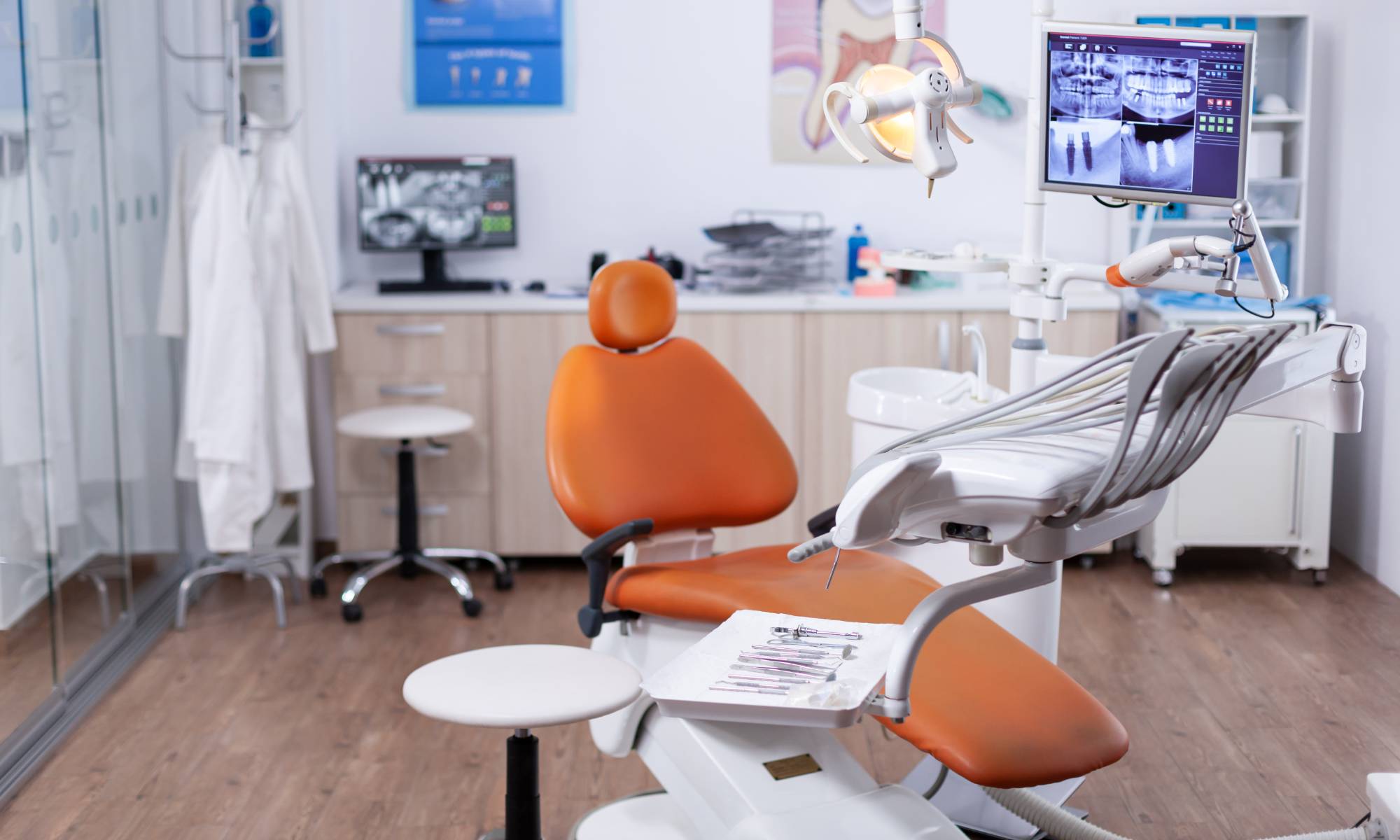
Dental technology matters most when it helps the clinician see something more clearly or explain a finding more easily. Digital X-rays, intraoral cameras, and other imaging tools can give patients a better look at what is happening instead of asking them to accept a vague explanation. When comparing practices, ask how diagnostic tools are used and whether the dentist reviews images with patients during the appointment.
New equipment alone does not guarantee excellent care. What matters is how the team uses the information. A useful scan or image should support a thoughtful diagnosis, not become an excuse to recommend more procedures. Look for a practice that combines technology with a careful examination, your dental history, and a clear explanation of what the findings actually mean for you.
Dentists Who Explain Options Without Pushing Treatment
Feeling pressured in the dental chair can quickly damage trust. Unless something requires immediate attention, you should have enough information to understand your choices before agreeing to treatment. A good dentist can explain the benefits, limitations, costs, and possible consequences of waiting without turning the conversation into a sales pitch. You should feel informed when making a decision, not cornered into one.
This is especially important when several reasonable treatment paths exist. One person may prefer to address everything quickly, while another may need to spread care across several visits. A thoughtful provider listens to those priorities and builds recommendations around them when clinically appropriate. If every conversation at your current office seems to end with pressure to book another procedure, that is worth considering while you compare alternatives.

Shorter Wait Times and Easier Appointment Booking
Long delays matter when they happen every visit. An occasional emergency can throw off any schedule, but regularly sitting in the waiting room far beyond your appointment time may point to poor scheduling or an overloaded practice. Ask prospective offices how they manage delays, urgent appointments, cancellations, and scheduling for several members of the same household.
Booking should not feel like another chore on your list. Helpful practices offer reasonable appointment choices, clear reminders, and straightforward ways to reschedule when life changes. Families may also value the option to coordinate appointments close together. Convenience cannot replace clinical quality, but a well-run schedule can make routine care far easier to maintain throughout the year.
Strong Preventive Care, Not Just Problem-Based Visits
A dental office should do more than react when something hurts. Preventive visits can help identify small changes before they become larger, more complicated problems. That includes checking the teeth and gums, reviewing home-care habits, watching areas of concern, and considering risk factors that may change over time. A practice focused on prevention should make these conversations part of regular care.
The advice should also feel specific to you. Repeating the same generic brushing speech at every visit adds little value. Useful guidance might address gum inflammation, dry mouth, grinding, diet habits, cavity risk, or areas that are difficult to clean. If your current appointments feel like quick cleanings followed by a rushed goodbye, look for a team that treats routine visits as a chance to protect long-term oral health.
Consistent Clinical Standards Across Every Appointment
Consistency becomes especially important in a busy practice with several dentists, hygienists, or assistants. You should not receive completely different explanations depending on who happens to see you that day. While professional opinions can vary, the office should follow reliable systems for examinations, records, infection control, treatment planning, and communication. That helps create continuity even when different team members are involved.
You can often notice consistency in small details. Staff review your history instead of repeatedly asking for information already provided. Notes from previous visits carry into the next appointment. Recommendations do not suddenly change without an explanation. When comparing dental offices, look for signs that the entire team works from shared standards rather than leaving each appointment to chance.
A Team That Takes Concerns About Past Dental Care Seriously
People switch practices for many reasons, and some arrive after a genuinely difficult experience. You may have felt dismissed, rushed, embarrassed, overtreated, or uncomfortable during a previous procedure. A new dental team does not need to criticize another provider, but they should listen when you explain what happened and what would help you feel more comfortable going forward.
That response can tell you a great deal about the culture of the office. A considerate team may discuss ways to improve comfort, explain each step before beginning, agree on signals for breaks, or give you extra time to ask questions. You should not have to defend your concerns to receive respectful care. Being taken seriously can turn an appointment from something you dread into something far more manageable.
Choose a More Comfortable Dental Experience With Lumina Dental When Your Current Practice No Longer Feels Right
Changing dental offices is a personal decision, but comparison shopping can reveal how different the experience could be. Look closely at communication, scheduling, preventive care, treatment explanations, fees, and the way the team responds to your concerns. The best practice for your household is not simply the one with the closest address. It is the one where you can understand your care and feel comfortable asking questions.
If you are ready for a dental team that values clear conversations, thoughtful care, and a smoother patient experience, consider Lumina Dental as you explore your options. Bring your questions, previous concerns, and priorities so you can decide whether the practice feels right for you and your family. Contact us to learn more or arrange your next visit.