What a Child’s First Dental Visit Should Actually Look Like
A child’s first trip to the dentist should not feel like a smaller version of an adult appointment. It is an introduction to a new place, new people, and an unfamiliar routine. The right clinic takes things slowly, keeps expectations realistic, and gives your child a chance to feel safe before asking them to cooperate.
A Pediatric Dentist Experienced With First-Time Visits
Young children do not always sit still, answer questions, or open their mouths on request. A dentist who regularly treats children understands this. Rather than viewing shyness, tears, or hesitation as difficult behaviour, they adjust the visit to suit the child’s age, confidence, and attention span.
That experience also helps the dentist spot concerns that parents may not notice at home. They can check how the teeth are coming through, look for early signs of decay, and assess habits such as thumb-sucking or prolonged dummy use. Dental organizations recommend arranging the first appointment when the first tooth appears or by the child’s first birthday.

A Calm, Child-Friendly Office With a Welcoming Team
The experience begins before your child reaches the dental chair. A warm greeting, patient staff, and a relaxed waiting area can make an unfamiliar clinic feel less intimidating. Children quickly notice hurried voices, tense body language, and worried adults, so a calm atmosphere matters more than elaborate decorations.
A good team also speaks directly to the child instead of discussing everything over their head. Staff may use their name, explain where they are going, or let them take a moment to look around. These small gestures give children a sense of control and show parents how the clinic responds when a young patient needs extra time.
A Gentle Introduction Before Any Dental Tools Appear
The dentist should not begin by placing instruments in a child’s mouth without warning. A better introduction might involve showing them the chair, counting their fingers, or explaining how the light works. Some children are happy to explore immediately, while others prefer to watch from a parent’s lap.
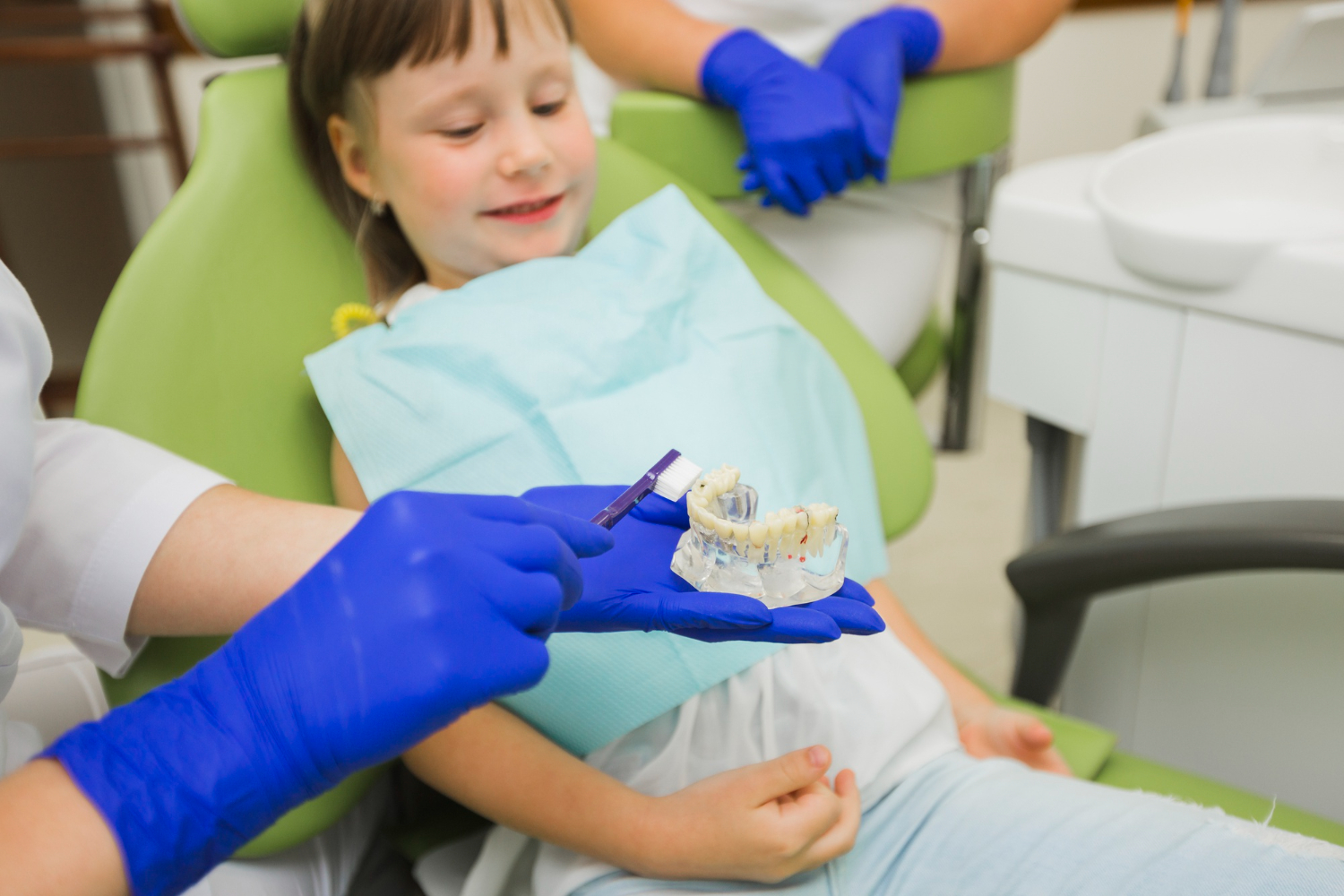
Simple demonstrations can make unfamiliar objects less alarming. The dentist may let the child see a small mirror, describe the suction tube in playful language, or show how a tool works on a fingernail first. This is not wasted time. It helps turn strange sights and sounds into things the child can understand.
A Simple Exam Focused on Comfort, Not Treatment
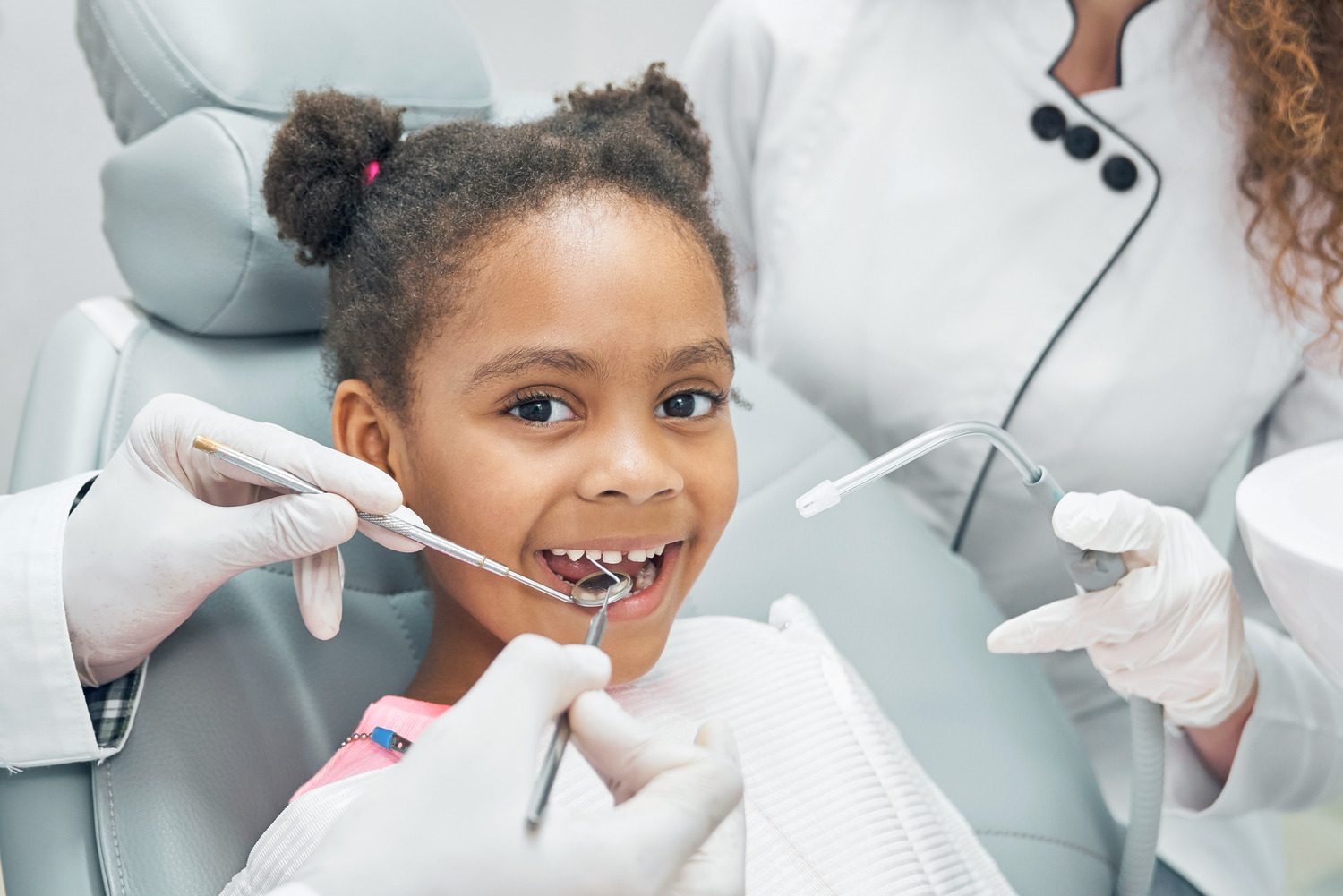
For many young children, the first examination is brief. The dentist may count the teeth, check the gums, look at the bite, and search for visible signs of decay. Depending on the child’s age and confidence, the exam may happen in the dental chair or while they sit securely with a parent.
Parents should not expect every procedure to happen during the first appointment. Unless an urgent issue needs attention, the main goal is often to gather information and create a positive starting point. A short, successful check can be more valuable than pushing through a longer examination that leaves the child frightened of returning.
Clear Guidance for Brushing, Diet, and Healthy Habits
The first appointment is also for parents. The dentist should explain how to brush small teeth, how much toothpaste to use, and where plaque tends to collect. Advice should feel practical and suited to the child’s age, rather than sounding like a lecture filled with rules that are difficult to follow.
Food and drink habits deserve an honest conversation too. Frequent snacking, sweet drinks, bedtime bottles, and sipping throughout the day can affect developing teeth. The dentist can help parents make manageable changes while considering family routines, cultural habits, and the realities of caring for a busy toddler.
Time for Parents to Ask Questions Without Feeling Rushed
Parents often arrive with concerns that seem small but still matter. They may wonder why a tooth looks discoloured, whether teething is causing discomfort, or how to stop their child from biting the toothbrush. A thoughtful dentist makes room for these questions and answers them in plain language.
The conversation should also cover what happens next. Parents need to know how often their child should return, which changes to watch for, and what to do after a fall or dental injury. Clear guidance removes guesswork and helps families feel prepared rather than anxious once they leave the clinic.
A Positive Goodbye That Builds Trust for the Next Visit
The ending can shape how a child remembers the entire appointment. Praise should focus on what they managed, even if they only sat in the chair, opened their mouth briefly, or allowed the dentist to count a few teeth. Small achievements deserve recognition during a first visit.
The team should avoid making children feel as though they failed because they cried or became overwhelmed. A friendly goodbye, a simple reward, or a cheerful reminder about returning can leave a much better impression. The aim is not perfect cooperation on day one. It is steady progress and growing trust over time.
Give Your Child a Comfortable Start With a First Dental Visit at Lumina Dental
Choosing a dentist for your young child means looking beyond convenience. You need a team that understands early childhood behaviour, explains each step, and knows when to pause. A gentle beginning can help your child see dental care as a normal part of staying healthy rather than something to fear.
Lumina Dental welcomes families who want a patient, reassuring approach to their child’s early care. Our team takes time to help young patients settle in while giving parents clear, useful guidance for protecting growing smiles at home. Contact us to arrange your child’s first visit and start their dental journey on a positive note.
Frequently Asked Questions
When should I book my child’s first dental visit?
It is a good idea to arrange the first appointment when your child’s first tooth appears or around their first birthday. An early visit gives the dentist a chance to check development, spot possible concerns, and help parents build healthy routines before problems begin.
What happens if my child is nervous or refuses to open their mouth?
That is completely normal, especially during a first visit. The team at Lumina Dental will take things slowly, explain each step in child-friendly language, and avoid forcing the examination. Sometimes the most successful first appointment is simply helping a child feel comfortable in the clinic.
How can I prepare my child before the appointment?
Use simple, positive language and explain that the dentist will count and look at their teeth. Try not to mention pain, needles, or past negative experiences. Reading a story about visiting the dentist or practising opening wide at home can also make the experience feel more familiar.
Will my child need treatment during the first appointment?
Most first visits focus on a gentle examination, prevention, and helping the child build trust with the dental team. Treatment may only be discussed if the dentist finds an issue that needs attention. Lumina Dental will explain any findings clearly and talk through the next steps with you before anything is planned.