
Does Your Teen Need to Remove Their Wisdom Teeth?
Teenagers already deal with enough changes without adding unexpected dental surprises. Yet many families discover that the last set of molars can bring discomfort, swelling, or pressure during the late teenage years. Understanding how these teeth grow and why dentists sometimes recommend removing them can help parents and teens make confident decisions about their dental health.
Why Wisdom Teeth Often Cause Problems for Teens
Wisdom teeth usually appear between ages seventeen and twenty-one, long after the rest of the adult teeth have settled into place. By that time, the jaw often has limited space left. As these molars begin pushing through the gums, they may tilt, grow sideways, or remain partially trapped beneath the surface. That unusual positioning can irritate nearby tissue and lead to swelling around the back of the mouth.
Pressure from these late-arriving teeth can also affect the alignment of nearby molars. Food particles often become trapped around partially erupted teeth, which increases the chance of gum irritation or infection. Many teens do not notice the problem right away because the discomfort can start slowly. Regular dental visits allow professionals to catch early signs before pain or inflammation becomes more serious.
The Importance of Monitoring Wisdom Teeth in Late Teens
Late teenage years represent a key time for watching how these molars develop. Dentists often track jaw growth and tooth movement during routine exams. Even if wisdom teeth are not causing discomfort yet, their direction of growth can reveal whether problems may develop later.
Close monitoring helps avoid surprises in early adulthood. A dentist may notice swelling behind the molars, gum pockets forming near emerging teeth, or slight crowding around the back of the mouth. These signs often appear long before the patient feels pain. Catching them early gives families time to consider treatment options calmly instead of reacting during a dental emergency.
How Early Removal Can Prevent Future Dental Issues
Removing wisdom teeth earlier in life often simplifies the procedure and recovery. Younger patients typically heal faster because their bone tissue remains more flexible. The roots of these molars may not have fully formed yet, which makes the extraction process smoother for both the dentist and the patient.
Early removal may also protect the surrounding teeth. Impacted molars can push against neighboring roots or create pockets where bacteria collect. Addressing the issue before severe crowding or infection develops helps protect the rest of the smile. Many dentists recommend early evaluation so families can decide whether removal will prevent larger complications later.

What Dentists Watch for During Teen Dental Visits
Routine checkups often reveal subtle signs that wisdom teeth are beginning to shift beneath the gums. Dentists examine the back of the mouth for redness, swelling, or tenderness in the gum tissue. They also check how the bite lines up and whether the back molars show unusual pressure marks.
Teens sometimes mention mild discomfort while chewing or brushing the back teeth. Even small symptoms provide useful clues during an exam. A dentist may gently press on the gums near the developing molars to check for sensitivity or trapped debris. These observations help determine whether the teeth are erupting normally or creating potential problems.
The Role of Dental X Rays in Wisdom Tooth Decisions
Dental imaging plays an important role in evaluating these late-forming molars. X rays reveal the position of the developing roots and how the teeth sit inside the jawbone. A dentist can see whether the teeth are angled toward nearby molars or growing in a direction that could lead to impaction.
These images also show how much space remains in the jaw. Some teens have enough room for their wisdom teeth to grow naturally, while others do not. X rays help dental professionals make informed recommendations rather than guessing based on surface symptoms alone. This information gives families a clearer picture of what may happen in the years ahead.
What Crowded Teeth Can Mean for Wisdom Tooth Growth
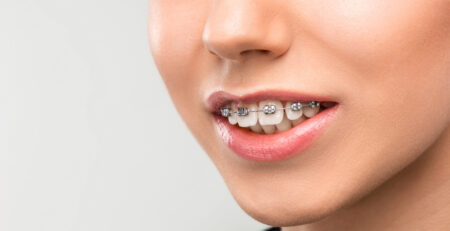
Crowded teeth often signal limited space inside the jaw. When earlier orthodontic treatment has already aligned the smile carefully, new molars pushing through the gums can create tension along the dental arch. This pressure sometimes shifts neighboring teeth out of alignment.
Dentists often consider the overall structure of the mouth before deciding whether removal makes sense. If the jaw appears tight or the molars sit too close together, wisdom teeth may struggle to emerge properly. Evaluating spacing during teenage years helps prevent unwanted shifting that could undo years of orthodontic progress.
Signs Wisdom Teeth May Be Affecting Nearby Molars
Wisdom teeth that grow at an angle can press against the second molars directly in front of them. This pressure may trap bacteria and food particles between the teeth, creating a difficult area to clean. Over time, that hidden pocket can irritate gum tissue or lead to cavities.
Some teens notice tenderness when brushing near the back molars or feel occasional soreness while chewing. Others experience swelling in the gums behind the last visible tooth. Dentists watch closely for these warning signs because they often indicate that the wisdom tooth is interfering with the health of nearby teeth.

Timely Removal Can Prevent Future Dental Issues
Waiting too long to address impacted wisdom teeth can lead to more complex dental problems later in life. Roots grow longer and stronger as people age, which can make extraction more complicated. Infection or damage to nearby teeth may also develop if problematic molars remain untreated.
Addressing the situation during the teenage years often prevents those complications. Removing troublesome teeth early helps protect surrounding structures and keeps the mouth easier to clean. A dentist can guide families through the decision by weighing symptoms, X-ray results, and overall oral health.
Lumina Dental Provides Caring Support for Teen Wisdom Tooth Evaluations and Comfortable Treatment Options
Healthy smiles deserve careful attention during the teenage years, especially when wisdom teeth begin to appear. Our team at Lumina Dental understands that families want clear answers and gentle care when facing decisions about tooth removal. Our dental professionals evaluate each patient carefully and explain what is happening inside the mouth in language teens and parents can understand.
Personalized care makes a difference when planning treatment for developing smiles. Lumina Dental focuses on comfort, education, and long-term oral health so patients feel confident about their options. Contact us today to schedule an evaluation and learn how their experienced team can help protect your teen’s smile for years to come.