
Waking Up With a Sore Jaw? You Might Be Grinding Your Teeth
Waking up should feel refreshing, yet many people start the day with a tight jaw, aching teeth, or facial discomfort. These symptoms often appear quietly and build over time, making them easy to ignore. What seems like a rough night’s sleep may actually point to a habit that happens without your knowledge while you sleep.
Why Your Jaw Feels Sore Before Your Day Even Begins
Many people blame a sore jaw on sleeping in the wrong position, but the real cause can happen long before the alarm clock rings. During sleep, the jaw muscles should rest just like the rest of the body. When those muscles stay active through repeated clenching, they work for hours without a break. By morning, the muscles feel overused, creating soreness that can make eating breakfast, speaking, or yawning uncomfortable.
The jaw joint also carries a heavy workload during the night. Continuous pressure forces the surrounding tissues to absorb stress while the body remains asleep. Some people notice tenderness around the ears or along the sides of the face. Others experience stiffness that slowly fades during the day. Because the discomfort appears first thing in the morning, it often serves as one of the earliest clues that something is happening during sleep.

The Hidden Signs of Nighttime Teeth Grinding
Many people never hear the sounds they make while sleeping. A partner may notice grinding noises, but those who sleep alone often remain unaware for years. Small signs begin to appear in daily life, such as sensitivity when drinking cold beverages, mild facial fatigue, or a feeling that the teeth do not fit together normally after waking up.
Another overlooked sign involves changes in sleep quality. People may wake several times during the night without understanding why. Restless sleep, jaw tension, or unexplained discomfort can interrupt normal sleep cycles. Some individuals also develop small indentations along the sides of the tongue or inside the cheeks from repeated pressure. These clues often appear long before serious damage develops.
Morning Headaches Could Start in Your Jaw
Headaches that appear shortly after waking can sometimes begin in the muscles around the jaw. When these muscles remain active overnight, they create tension that spreads to the temples, forehead, and sides of the head. Many people assume dehydration or lack of sleep causes the discomfort when the source may actually be muscle strain.
The connection between facial muscles and headaches often surprises patients. Tight muscles near the jaw can pull on surrounding tissues and create pain patterns that mimic migraines or tension headaches. Some people notice relief later in the day as the muscles relax. Others continue experiencing discomfort that affects work, concentration, and daily activities. Recognizing the source helps guide treatment in the right direction.
How Stress Can Trigger Teeth Clenching While You Sleep
Stress affects the body in many ways, and the jaw often carries that tension without notice. Busy schedules, financial worries, work pressure, and emotional strain can keep the nervous system active even during sleep. As the body attempts to process stress, the jaw muscles may tighten repeatedly throughout the night.
People who live with ongoing stress sometimes notice other habits during the day, such as biting pens, chewing ice, or holding tension in the shoulders. These behaviors can reflect the same muscle patterns that continue after bedtime. Improving sleep routines, reducing daily stressors, and creating healthy relaxation habits may help reduce nighttime clenching and protect the teeth from unnecessary pressure.

Worn Teeth and Jaw Pain Often Share the Same Cause
Teeth naturally experience some wear over time, but excessive pressure can speed up that process. Small changes may appear first, including flattened chewing surfaces, tiny cracks, or increased sensitivity. Because these changes develop gradually, many people fail to notice them until a dental examination reveals the damage.
The same forces that wear down teeth can also affect the muscles and joints of the jaw. Constant pressure places strain on structures that support normal movement. As the condition progresses, discomfort may become more frequent during meals or conversations. Early attention can help preserve tooth structure while reducing the strain placed on surrounding tissues.
What Your Dentist Looks for When Bruxism Goes Undetected
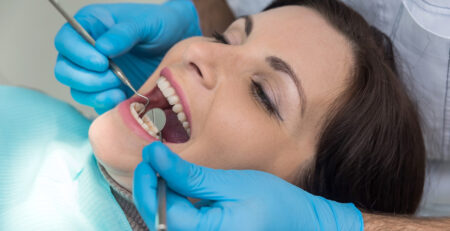
A dental examination often reveals clues that patients cannot see themselves. Dentists examine tooth surfaces for unusual wear patterns, small fractures, and signs of pressure damage. They may also check the muscles around the jaw and ask questions about headaches, sleep habits, and facial discomfort.
Even when symptoms appear mild, several small findings can point toward an underlying issue. Changes in enamel, sensitivity, and muscle tenderness help create a larger picture. Early detection allows dentists to recommend protective measures before more extensive problems develop. Regular dental visits provide an opportunity to identify these changes before they begin affecting daily life.
Jaw Clicking and Stiffness May Point to Night Grinding
A clicking sound when opening the mouth can feel alarming, especially when it appears without warning. In some cases, the jaw joint becomes irritated after repeated pressure during sleep. The surrounding muscles may tighten, making movement feel stiff or restricted during the morning hours.
Some people notice clicking while chewing, speaking, or yawning. Others experience a limited range of motion that improves later in the day. Although occasional clicking does not always indicate a serious problem, persistent symptoms deserve attention. Identifying the cause early may help prevent further irritation and support healthier jaw function.
When a Sore Jaw Is More Than Just a Bad Night’s Sleep
Occasional jaw discomfort can happen after stress, illness, or poor sleep. However, symptoms that continue for weeks should not be ignored. Ongoing pain, frequent headaches, tooth sensitivity, and difficulty chewing may indicate an underlying condition that requires professional evaluation.
Ignoring these warning signs can allow problems to progress slowly over time. Damaged teeth, persistent muscle pain, and joint issues can affect comfort and quality of life. Seeking help early gives patients more treatment options and may prevent additional complications. Paying attention to changes in the jaw often leads to faster answers and better long-term results.
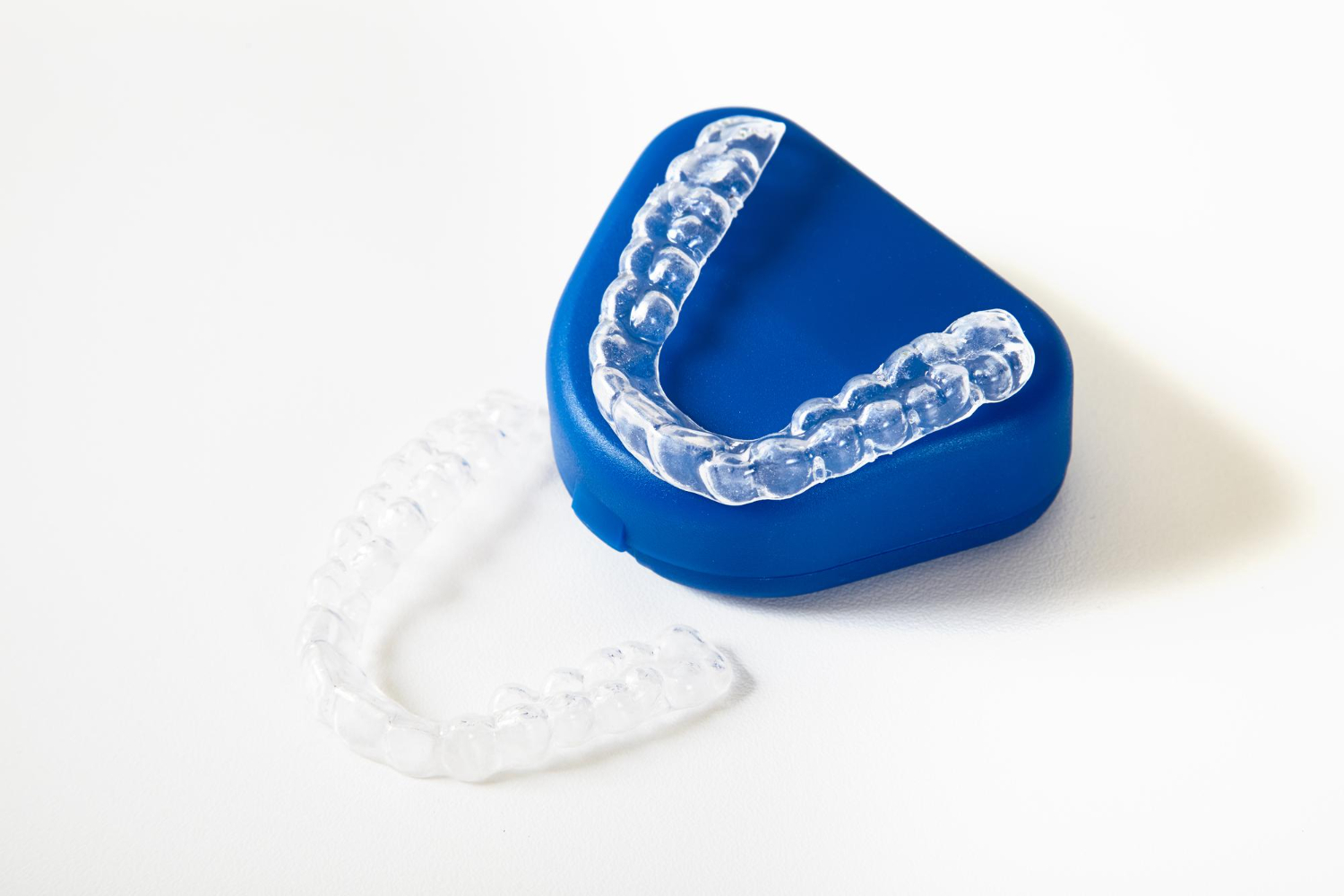
Restore Comfortable Mornings and Protect Your Smile With Expert Care From Lumina Dental
Living with jaw pain, headaches, or worn teeth should not become part of your daily routine. Small symptoms often signal larger concerns that deserve professional attention before they affect your comfort and confidence. At Lumina Dental, our team understands how nighttime habits can impact your oral health and overall well-being. We take the time to evaluate your symptoms, identify possible causes, and create solutions that fit your needs.
If you wake up with discomfort, notice changes in your teeth, or experience ongoing jaw tension, now is the time to take action. Early care can help protect your smile and improve your quality of sleep. Schedule an appointment with Lumina Dental and discover how personalized dental care can help you wake up feeling refreshed and pain-free.