
5 Types of Tooth Pain People Often Ignore Too Long
Tooth discomfort has a way of starting small—so small that people convince themselves it will disappear on its own. But pain has a purpose, and the longer it lingers, the more it reveals about what’s happening beneath the surface. Understanding the early signs helps prevent minor issues from turning into treatments nobody enjoys.
A Dull Ache That Comes and Goes When Biting Down
A dull ache that appears only during chewing is easy to dismiss because it fades just as quickly as it arrives. That flicker of discomfort often signals that something inside the tooth isn’t stable. It may come from a tiny cavity, worn enamel, early grinding damage, or a bite imbalance causing pressure on a sensitive area. Over time, those short aches grow into long-lasting tenderness because the irritated structures inside the tooth experience repeat stress with every meal.
People often adapt their chewing habits without realizing it. They shift food to the opposite side or soften the way they bite, assuming it’s a harmless adjustment. But patterns like this allow hidden problems to grow. What starts as mild tooth pain may progress into a deep infection or cracked enamel that requires more involved treatment down the road. A quick visit to a Maple Ridge dentist can catch the issue before it becomes disruptive to everyday eating.

Sharp Twinges near the Gum Line After Eating Sweets
A sudden sting near the gum line after sugary foods often points to exposed dentin, worn enamel, or early gum recession. Sugar particles slip into microscopic openings, irritating the tooth surface underneath. This sharp response is the tooth’s way of signaling that its protective layers have weakened. Many people chalk it up to “sensitive teeth,” but recurring flashes of pain show something more specific is unfolding.
As the enamel thins or the gums pull back, the inner structure becomes more reactive. Those twinges become more frequent and eventually appear when brushing or drinking room-temperature water. Ignoring the signs allows erosion or gum inflammation to worsen, making treatment more complex. A dentist can identify whether the cause relates to brushing habits, aging enamel, or early periodontal issues and recommend a protective solution before discomfort becomes an everyday occurrence.
Persistent Throbbing That Wakes You at Night
Nighttime throbbing is one of the clearest indicators that something inside the tooth needs immediate attention. This type of pain often suggests inflammation in the pulp, pressure building under the enamel, or infection spreading through the root area. The reason it feels worse at night is simple: blood pressure changes while lying down, sending more fluid to an already stressed nerve. That extra pressure amplifies each throb, making sleep nearly impossible.
Throbbing pain rarely resolves on its own. Many try pain relievers or cold compresses, but those only soften symptoms temporarily. If left untreated, the infection can travel beyond the tooth into the jaw or surrounding tissues. This is where early action matters. A Maple Ridge dentist can assess whether the pulp is inflamed, infected, or dying and provide treatment that relieves pressure while protecting the surrounding structures from further harm.
Sensitivity Bursts When Teeth Touch Cold Drinks
A bite of ice cream or sip of iced water shouldn’t send shockwaves through your mouth—but sensitivity to cold is incredibly common. These quick bursts of pain come from exposed dentinal tubules, worn enamel, minor cracks, or gum recession exposing root surfaces. Cold liquids rapidly contract the tooth structure, triggering the nerve response. People often tough it out or switch to warm beverages, but avoidance only masks a deeper issue.
Cold sensitivity becomes more persistent over time. What starts as an occasional jolt can quickly turn into discomfort with every chilled meal or beverage. That shift indicates increasing wear or structural compromise. Identifying the root cause helps prevent larger conditions like cavities, fractures, or gum disease. A dental professional can determine whether the sensitivity comes from physical wear, grinding, or early decay and offer practical fixes tailored to the source.
Deep, Lingering Pain Around a Cracked Tooth Area
A cracked tooth doesn’t always look dramatic on the outside. Many fractures form hairline patterns invisible to the eye but extremely painful to the nerve inside. Lingering pain that worsens with pressure or temperature changes often means the crack has reached a sensitive layer. The deeper the split travels, the more unstable the tooth becomes, eventually affecting bite strength and chewing comfort.
Ignoring this type of discomfort allows the crack to widen over time. Eating, clenching, and grinding all apply daily stress to the weakened structure, which can cause the tooth to break further or split completely. Addressing fractures early preserves more of the natural tooth and prevents more involved procedures later. A Maple Ridge dentist can identify the depth of the crack and recommend the right restoration to stop the damage from worsening.
Lumina Dental Helps You Take Tooth Pain Seriously Before It Gets Worse — Because Your Comfort and Long-term Oral Health Matter
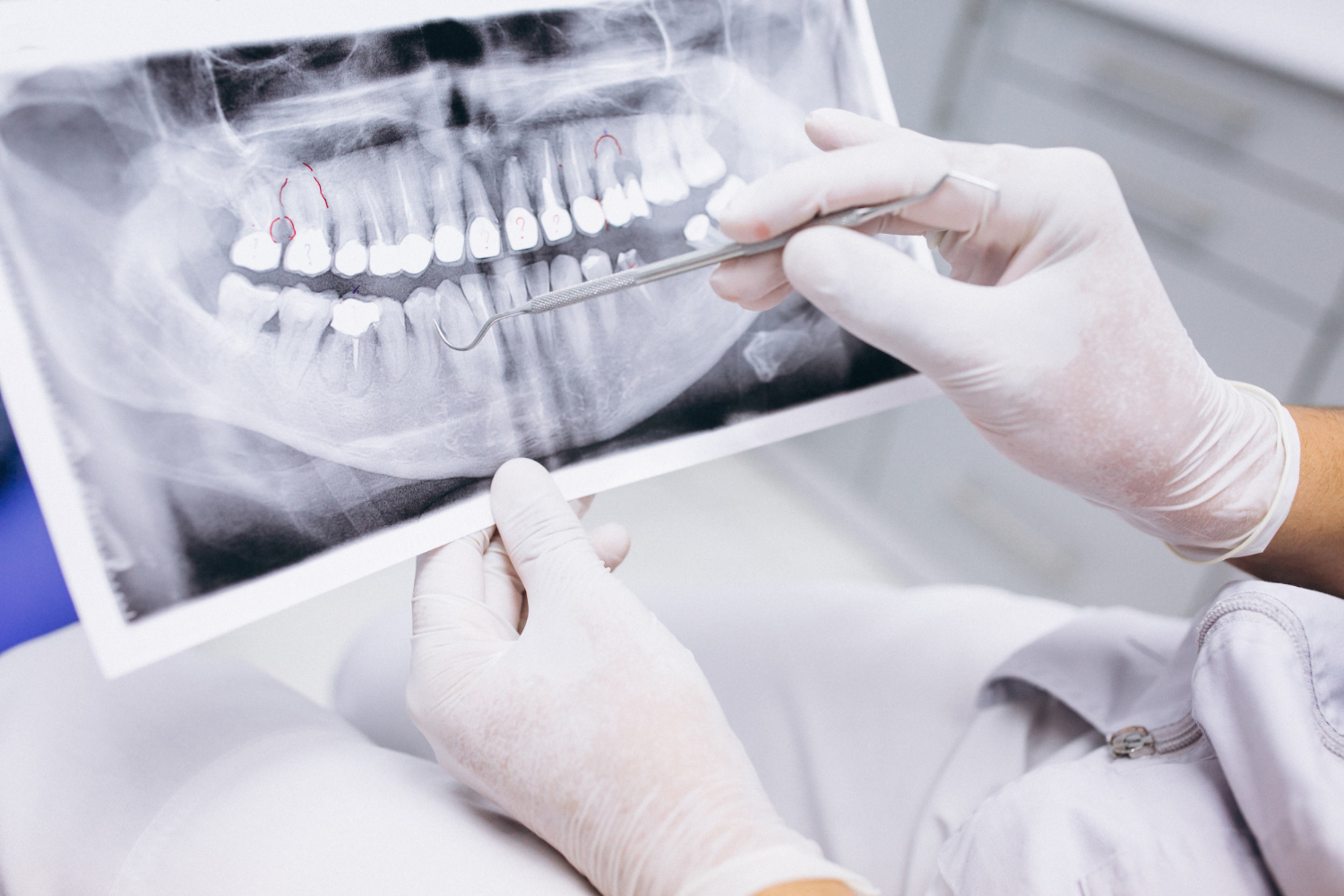
Tooth pain can creep into every part of your day—turning meals into a chore, keeping you awake at night, or lingering in the background no matter how hard you try to ignore it. You shouldn’t have to live like that or convince yourself it’s “not bad enough yet.” Lumina Dental understands how disruptive even mild discomfort can feel, and they approach every patient with compassion and genuine care. With advanced diagnostic tools and a team that takes time to explain what’s happening beneath the surface, we help you understand the real source of your pain instead of guessing or hoping it passes.
Our focus isn’t just on fixing a problem for the moment. We look at long-term comfort, function, and prevention, offering solutions that protect your smile and support your daily life. Whether your symptoms flare up occasionally or stay constant and distracting, you deserve more than temporary relief—you deserve clarity, support, and treatment that truly works for you. Contact us today, and let Lumina Dental guide you back to comfort and confidence with care that listens, communicates, and puts your oral health first.